



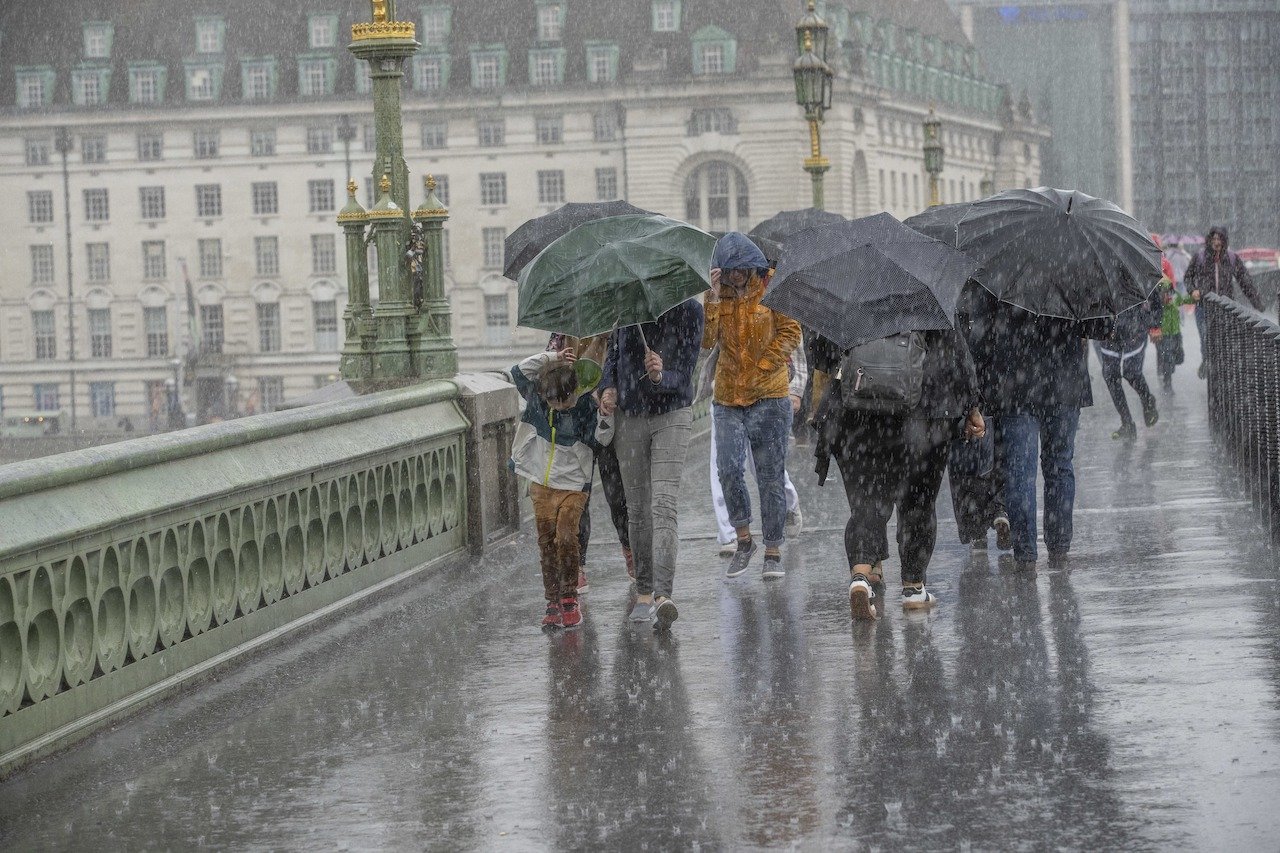
Amber warnings have been issued across large parts of the UK as Storm Claudia approaches, bringing severe rainfall, flood threats, and widespread disruption. These warnings underscore the seriousness of the event and the steps the public must take to stay safe.
What Is a Severe Rainfall Warning?
A severe rainfall warning is an official alert issued by weather authorities to warn the public about expected heavy rain that poses a threat to safety, property, and day-to-day life. It typically predicts significant rainfall, sometimes a month’s worth in 24 hours, that can lead to fast-rising, deep floodwaters, power outages, transportation delays, and structural damage.
The “Amber” level, one step below the most critical “Red” warning, indicates a high probability of hazardous conditions, with an expectation of travel disruption, property flooding, potential power outages, and a risk to life. These alerts prompt local authorities and the public to prepare for possible emergencies.
Amber Warnings for Storm Claudia: Details and Areas Affected
The Met Office has issued an amber warning for rain covering Wales, the Midlands, the South West, the South East, and the East of England from midday on Friday, November 14th, through the end of the day. Some regions may experience more than a month’s worth of rainfall, up to 150mm in total, with 60–80mm in many places.
Storm Claudia, named by Spanish meteorologists due to its earlier impact in the Canary Islands, will linger to the west of Britain rather than crossing directly overhead. However, its moisture-laden fronts will produce torrential rain and localised flooding in affected zones.
Other alerts include:
- A yellow warning for rain in much of England, spanning from Cheshire and North Yorkshire down to the southern coast.
- Additional wind warnings for north-western regions, with gusts of up to 70mph, further increase the risks.
Impacts and Dangers: Why the Warning Matters
Amber warnings highlight conditions that could rapidly become dangerous:
- Deep and fast-flowing floodwaters may endanger lives and sweep away vehicles and property.
- Homes and businesses in low-lying or flood-prone areas face significant risk of interior and structural damage.
- Power cuts and utility interruptions are expected in places, further complicating responses to emergencies.
- Roads, railways, and public transportation are likely to be disrupted or shut down due to flooding.
- Gusty winds may exacerbate damage and transport threats, making travel especially hazardous.
Authorities stress that people should be prepared for changes in conditions and avoid all unnecessary travel during the warning period.
Lessons from Colour-Coded Rainfall Alerts
Colour-coded warnings, Yellow, Amber, and Red, signal rising levels of threat:
- Yellow: Be aware; localised severe weather is likely; minor disruptions are possible.
- Amber: Be prepared; there is a higher likelihood of widespread severe weather, with possible power and transport outages.
- Red: Take action; severe danger to life; widespread flooding with potential for evacuation.
Storm Claudia’s amber warning sits at the threshold where active precautions are advised to mitigate risk.
Public Advisory and Emergency Response
Agencies such as the Met Office, Environment Agency, and local councils urge people in amber warning areas to:
- Check flood risk maps and local advice before leaving home.
- Prepare a flood kit with essential items, including charged phones, medication, important documents, snacks, and water.
- Avoid all non-essential travel; if travel cannot be avoided, plan alternate routes and check for train, bus, or road closures.
- Never attempt to drive through moving or standing floodwater.
- Secure outdoor furniture and objects that could become hazards due to strong winds.
- Move valuables and electronics to higher floors and unplug sensitive electronics.
In the event of a flood:
- Move to the highest point in the building (but not into attic spaces unless you can safely escape onto the roof), and call emergency services if you are trapped.
- Wear protective clothing and avoid low-lying areas, ditches, or underpasses that may flood swiftly.
- Follow any evacuation or shelter-in-place orders promptly.
How to Prepare for Severe Rainfall
Preparation is key even before storms strike:
- Monitor weather bulletins and official social media for updates and changes to warnings.
- Prepare for potential power outages: charge all devices in advance and keep flashlights and extra batteries on hand.
- If you are in a known flood risk area, ensure your property is prepared by reviewing your flood plan and storing emergency contact numbers in a readily accessible location.
- If possible, relocate at-risk vehicles to higher ground outside flood-prone areas.
- Ensure vulnerable neighbours or family members have support and know whom to call for help.
Broader Climate Patterns and Storm Claudia
Storm Claudia is a manifestation of the broader climate volatility observed in recent years, often bringing extreme weather conditions from southern Europe to the UK. The storm remains stalled to the west, drawing in Atlantic moisture and enhancing rainfall over already saturated ground—compounding flood risks.
Climatologists highlight the increasing frequency of such severe rainfall events as symptoms of a warming atmosphere capable of holding more water vapour, thus intensifying storms like Claudia.






1 Comment
Pingback: England vs Serbia: World Cup Qualifier Drama as Three Lions Seek Perfection - Madly Daily