



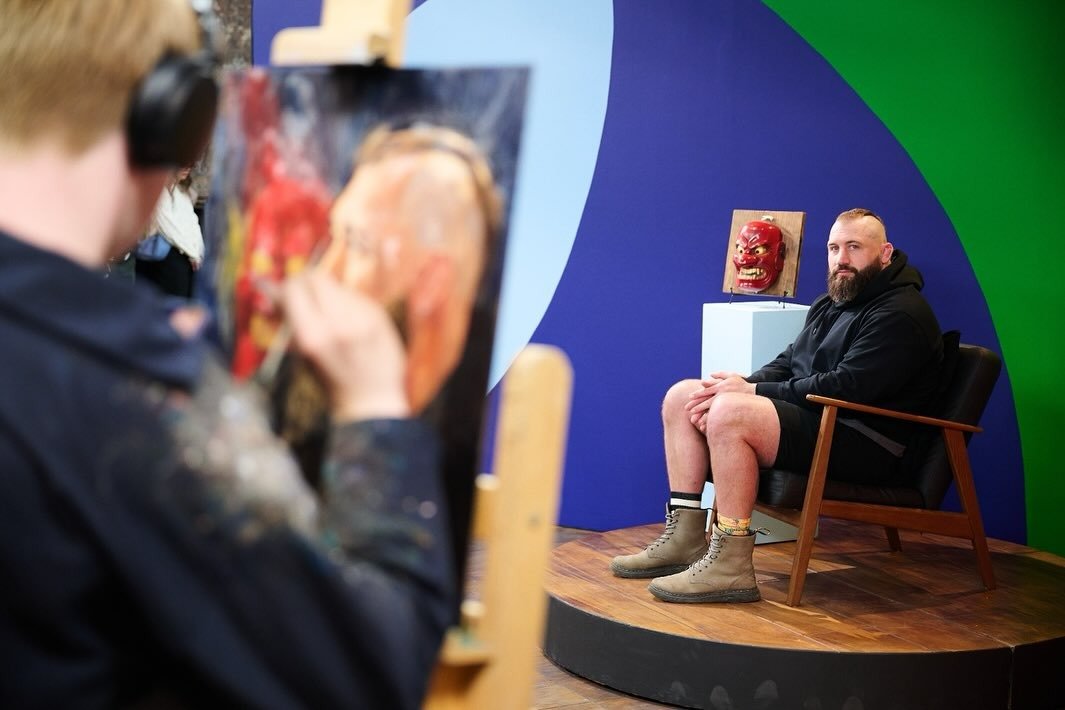
Joe Marler, the ex-England rugby star and current Celebrity Traitors participant, has made headlines not just for his sporting achievements but for his raw, heartfelt public revelations about his battle with depression and the invaluable support of his wife, Daisy. His story, recently spotlighted by the BBC’s hit spin-off reality series, offers a candid look at the mental health struggles so many face, especially those under the public eye.
The Catalyst: A Breakdown in the Spotlight
While Joe Marler’s rugby career was relentless, with nearly 300 matches for Harlequins and 95 England caps, the pressure came at a colossal personal cost. Behind his sporting bravado, he was struggling. Marler’s depression surfaced in ways that shocked even himself: feelings of rage and anger, destructive outbursts at home, and even a highly publicised incident involving the racial abuse of an opponent.
As Marler admitted, “I felt lost, unsure of where to turn after what I had done. I needed to escape from it all.” That withdrawal didn’t just affect his professional life; it rocked his home.
Daisy Marler: Unwavering Support Through Turmoil
At the heart of Joe Marler’s survival story is his wife, Daisy. Married in 2017, the couple have four children. Daisy’s strength became the backbone Marler desperately needed, even when she herself was vulnerable, seven months pregnant and faced with Joe’s emotional chaos.
Joe Marler’s darkest moment, which he recounted with tearful honesty, involved Daisy sobbing on their floor, pleading for him to seek professional help. “She was seven months pregnant, and I was wreaking havoc at home. I punched walls, damaged doors, shouted and screamed. I just left, telling her, ‘I’m gone,’” Marler confessed.
He describes this image of Daisy as permanently etched in his memory, a haunting reminder of the support he almost drove away but that ultimately became his lifeline.
Depression’s Family Toll: Shouting, Despair and Seeking Help
The emotional instability Joe Marler felt at work began to seep into daily life. Crying on his way to work, feeling lost, having inexplicable outbursts, all signs of a man collapsing under invisible weight. Daisy bore the brunt of his rage. “She was heavily pregnant at the time, and I would wreck the house. It was like, f***, I’m actually destroying all that’s good around me,” Marler reflected.
What stands out isn’t just the pain but Daisy’s insistence that he seek help, even when she was herself stretched to breaking point. “I had a complete meltdown and ran out on Daisy. That’s when the thoughts of not wanting to be here took over,” Joe revealed.
The Turning Point: Therapy, Medication, and Acceptance
Realising the severity of his distress, Joe Marler sought therapy and medication. At first, he feared opening up would end his career or subject him to ridicule, but the opposite transpired. The world embraced his vulnerability, as did those closest to him. “I wouldn’t be in this world without her; she’s incredible,” he says of Daisy.
Encouraged by a psychiatrist, who happened to be the team’s doctor, Joe Marler began to explore the roots of his depression. He learned it was deeper than rugby burnout: underlying emotional wounds were driving his destructive behaviours.
Impact Beyond Joe: Raising Awareness About Mental Health
Joe Marler’s openness, especially on Celebrity Traitors and influential podcasts, has resonated with fans and fellow athletes alike. His story is so compelling that it aligns with ongoing campaigns like The Sun’s “You’re Not Alone,” which fights to break the stigma surrounding mental health and suicide.
The statistics are stark: in the UK, suicide claims a life every 90 minutes, and men under 35 are especially vulnerable. Marler’s decision to speak out, particularly as a public figure, helps dismantle the silence that keeps so many suffering.
Family Life: Daisy, Children, and Healing
Through his deepest valleys, Joe Marler credits his recovery to Daisy. She not only witnessed but also endured his darkest days, ultimately leading him to seek help and rediscover the joys of family life. Together, they have built a family with four children: Pixie, Maggie, Felix, and Jasper. Marler’s pride in being a father and husband is evident as he reclaims gratitude for what he almost lost.
Daisy’s role is more than a support system; she is the anchor—the person who, in Joe’s words, made him “want to stay” and gave him a reason to fight for his life.
Why Marler’s Confession Matters
By sharing his pain and recovery, Marler encourages others, especially men, to be vulnerable and seek help. The former rugby star insists that men need to talk openly about mental health, recognising that vulnerability is a sign of strength and not weakness.
“It’s okay to be vulnerable,” Marler shares, a message with profound resonance in a society where men’s stoicism is often mistaken for resilience.






1 Comment
Pingback: Martin Kemp Hospitalized After Horrific Chainsaw Accident