



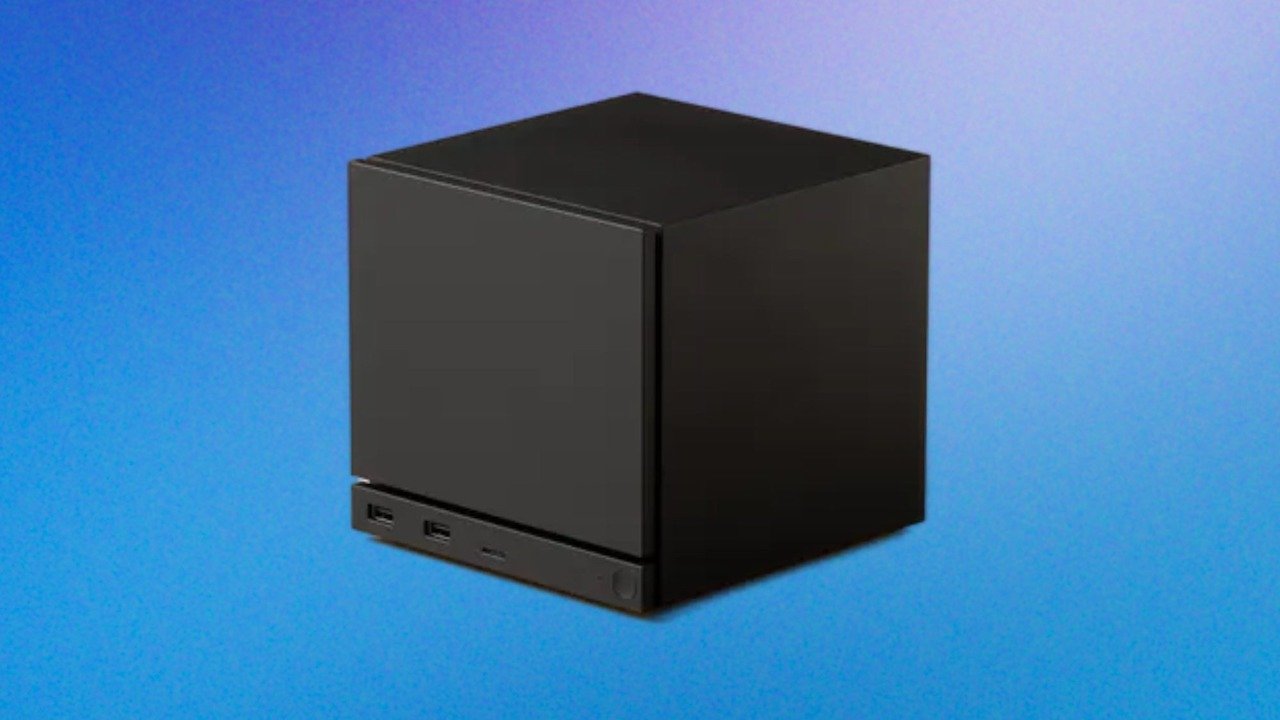
Valve has officially revealed its next-generation Steam Machine, promising it to be “over 6x more powerful than Steam Deck” and setting a new performance benchmark for compact gaming PCs. Slated for early 2026, this comeback offers console simplicity with PC muscle, igniting fierce competition in the living room gaming sphere.
A Brief History: Steam Machines Rebooted
Valve’s initial Steam Machine lineup, launched a decade ago, faltered in market traction. This time, Valve brings lessons learned, blending robust PC hardware in a console-like form factor, all powered by an improved SteamOS, making access to PC-grade libraries and features easier than ever.
Hardware Powerhouse: Specs and Architecture
The new Steam Machine is a technical leap:
- Semi-custom AMD Zen 4 CPU with 6 cores and 12 threads, up to 4.8 GHz
- Semi-custom AMD RDNA 3 GPU with 28 compute units and 8GB GDDR6 VRAM
- 16GB DDR5 system memory
- Ray tracing capabilities
- 4K gaming at 60fps with AMD’s FSR (FidelityFX Super Resolution)
- Storage options: 512GB or 2TB NVMe SSDs
- Connectivity: HDMI 2.0, DisplayPort 1.4, Gigabit Ethernet, USB-C, four USB-A ports
- SteamOS for seamless integration with Steam’s vast game library
Performance: How Powerful Is It?
Valve claims this new device surpasses the Steam Deck’s capabilities, delivering six times its computational power. The Steam Machine’s mid-tier, discrete-class GPU and Zen 4 architecture hold up against contemporary consoles like the PS5 and Xbox Series X. Compared to the team Deck’s Zen 2 quad-core CPU and RDNA 2-based APU, the next-gen Steam Machine is a generational leap, especially with advanced features like ray tracing and FSR 3 upscaling for smooth, high-fidelity 4K gameplay.
Storage, Memory, and Expandability
The Steam Machine offers two storage models: 512GB and 2TB, catering to both casual users and hardcore gamers. With 16GB DDR5 and a dedicated 8GB of GDDR6 VRAM, it ensures snappy system performance and ample headroom for demanding titles, minimising stutter and supporting the latest AAA games. Officials emphasise streamlined expandability and easy maintenance, though specifics on user upgrades are still under wraps.
Design and Ecosystem: Living Room Centrepiece
Designed with the living room in mind, the Steam Machine resembles a compact console, complete with a replaceable faceplate for customisation. It is designed for plug-and-play gaming, similar to traditional consoles, but with the added benefit of PC game flexibility.
Valve’s announcement included a new Steam Controller and Steam Frame VR headset. The Steam Controller brings Bluetooth support, capacitive touch, and haptic feedback for a refined experience, while the Steam Frame hints at Valve’s commitment to the VR frontier—both set to integrate seamlessly with the new console.
Software: SteamOS, Compatibility, and Verification
Steam Machine runs the latest SteamOS, providing:
- Instant access to Steam’s game store/library
- “Steam Machine Verified” badges for games meeting performance and compatibility thresholds
- Support for Linux-based Proton compatibility layer for running Windows games
This ecosystem unites the device with other Valve hardware, making cross-device cloud saves, remote play, and multiplayer straightforward and familiar.
Battery Life, Thermals, and Ports
Although exact battery details are vague, reports suggest over 35 hours of controller playtime using the Steam Controller’s rechargeable puck or standard USB charging. The machine prioritises efficient cooling and quiet operation, with a TDP (thermal design power) between 110–130W for the GPU, on par with desktop-class graphics solutions.
Price and Release Date: What to Expect
Valve has yet to announce official pricing, but analysts anticipate a launch price between $650 and $800, which may vary depending on configuration and bundle options. This figure undercuts many comparable PCs and rivals major console pricing. The expected release window is early 2026, aligning with the rollout of the Steam Frame VR headset and the new Steam Controller.
Competitive Edge: How It Stands Out
The Steam Machine blurs the line between console ease and PC power. It promises:
- Comprehensive Steam library access in console-like form
- PC-like customisation with living-room aesthetics
- A pricing strategy targeting console and entry-level PC gamers
- Industry-first integration of Valve’s next-gen controller and VR technology
By stepping away from ultra-premium hardware (opting for “one generation behind” with Zen 4 and RDNA 3 instead of Zen 5/RDNA 4), Valve aims for a sweet spot between affordability and real-world performance, likely broadening its user base.
The Road Ahead: What’s Missing and What’s Next
Key details still unrevealed include:
- Finalised price and region availability
- Details on user-expandability (RAM/storage upgrades)
- Performance impressions from reviewers, hardware is still in pre-production, so hands-on experiences are limited
- How Valve will support third-party accessories and customisations
Despite these unknowns, anticipation runs high. Valve’s history of innovating PC gaming hardware (from the original Steam Controller and Steam Link to the hit Steam Deck) has created hope for a powerful, accessible device right at home in the living room.






1 Comment
Pingback: Baroness Newlove: Trailblazing Victims’ Champion Dies at 63